Imagine you’ve just undergone surgery to repair a sports injury. You feel a mix of relief and anxiety about what comes next. The road to recovery can be daunting, but a structured post-surgery rehabilitation program is your guiding light. This journey involves a comprehensive post-surgery recovery plan that helps you regain strength and mobility. Understanding the importance of post-surgical physical therapy can significantly impact your healing process. It not only supports your recovery but also reduces the risk of reinjury, allowing you to return to the field stronger than before. A successful post-surgery rehabilitation program is essential for ensuring that you achieve your desired outcomes.
In Hong Kong, athletes face unique challenges during their rehabilitation journey. Committing to a well-defined postoperative rehabilitation program is crucial. This commitment helps you navigate through the various phases of recovery, setting milestones that mark your progress. By engaging in effective post-surgical physical therapy, you prepare yourself for a gradual return to competitive sports. The key to a successful post-surgery rehabilitation experience is to embrace this process, and you will find that each milestone brings you closer to your goals.
Key Takeaways
- Post-surgery rehabilitation is essential for athletes recovering from injuries.
- A structured postoperative rehabilitation program helps guide recovery.
- Engaging in post-surgical physical therapy reduces reinjury risks.
- Milestones are important indicators of progress during recovery.
- Commitment to the rehabilitation process is crucial for success.
- A comprehensive post-surgery recovery plan prepares you for competition.
What are the Initial Steps in Post-Surgery Rehabilitation?
Post-surgery rehabilitation is crucial for athletes looking to return to their sport. The initial steps set the stage for a successful recovery. This early phase focuses on managing pain, reducing swelling, and beginning rehabilitation exercises post-operation. Starting physical therapy after surgery within days of your operation can significantly enhance your recovery process.
Why is the First Phase Critical in Post-Surgery Rehabilitation?
The first phase of post-surgery rehabilitation is vital for several reasons:
- Minimizes swelling and inflammation.
- Controls pain effectively.
- Restores range of motion in the affected area.
- Initiates muscle activation to prevent atrophy.
These factors play a key role in ensuring that you progress smoothly through your recovery journey. Addressing these aspects early can lead to better outcomes and fewer complications.
What Rehabilitation Techniques Should You Start With?
When beginning physical therapy after surgery, consider the following surgical recovery exercises:
- Gentle range-of-motion exercises to enhance flexibility.
- Isometric exercises to activate muscles without movement.
- Gradual weight-bearing activities as advised by your therapist.
These rehabilitation exercises post-operation should be tailored to your specific needs and the type of surgery you underwent. Working closely with your medical team will ensure you follow a safe and effective rehabilitation plan.
How Can You Track Progress in Post-Surgery Rehabilitation?
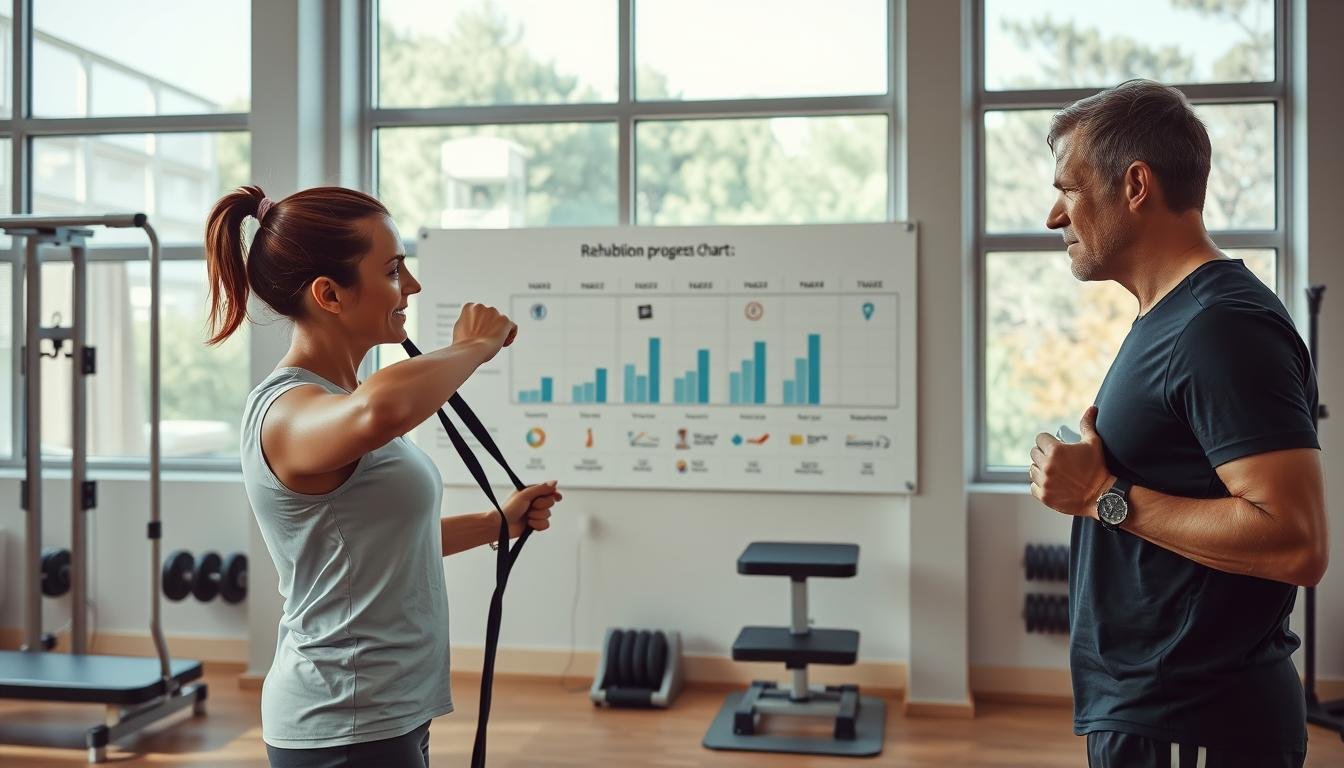
Tracking your progress during post-surgery rehabilitation is vital for a successful recovery. It helps you understand how well your body is healing and when you can safely resume activities. Monitoring milestones gives you a clear picture of your recovery after surgery. Below are some key milestones to look for.
What Milestones Indicate You’re on the Right Track?
Recognizing the right milestones can guide your post-op recovery therapy. Here are some indicators that show you are progressing well:
- Achieving pain-free movement in the affected area
- Regaining strength through targeted exercises
- Passing functional tests designed by your rehabilitation team
- Improving balance and coordination
- Gradually increasing your activity levels without setbacks
How Important is Communication with Your Medical Team in Post-Surgery Rehabilitation?
Effective communication with your medical team is crucial during your recovery journey. Engaging with your surgeons, physical therapists, and trainers ensures your surgical rehabilitation services are tailored to your needs. Here are some reasons why this communication matters:
- It allows for adjustments in your recovery plan based on your progress.
- It helps identify any complications early on.
- It fosters a supportive environment where you feel comfortable discussing concerns.
- It ensures that your rehabilitation goals align with your overall health objectives.
By actively participating in your post-surgery rehabilitation, you set yourself up for a smoother recovery. Stay engaged, monitor your milestones, and maintain open lines of communication with your medical team.
When is the Right Time to Return to Competitive Sports After Post-Surgery Rehabilitation?
Determining the right time to return to competitive sports after Post-Surgery Rehabilitation is crucial for your long-term success. This process involves assessing both your physical and mental readiness. You must ensure that you meet specific criteria before stepping back into the competitive arena. This approach minimizes the risk of reinjury and supports a smooth transition back to your sport.
How Do You Know You’re Physically Ready for Competition?
Physical readiness is assessed through strength, agility, and functional testing. Your postoperative rehabilitation program should include these evaluations to confirm that you can perform at the required level. Achieving the necessary benchmarks ensures that your body is prepared for the demands of competitive sports. This objective assessment helps you and your rehabilitation team make informed decisions about your readiness.
What Role Does Mental Readiness Play in Post-Surgery Rehabilitation?
Mental readiness is just as important as physical preparedness. Confidence and psychological resilience play significant roles in your recovery. You should feel mentally equipped to handle the pressures of competition. Engaging in mental training or working with a sports psychologist can enhance your readiness. This focus on mental health is essential for a successful return to competitive sports.
How Can You Develop a Gradual Return-to-Sport Plan?
A gradual return-to-sport plan is vital for a safe reintegration into your sport. Collaborate with your rehabilitation team to create a structured plan that increases your workload progressively. This plan should incorporate sport-specific activities while monitoring your response to increased demands. By following a tailored post-surgery recovery plan, you can ensure a smoother transition back to competition, reducing the risk of setbacks.